Determining the Optimal Home Builder: Your Overview to Dream Homes
Selecting the appropriate home contractor is a vital step in realizing one's ideal living space. It requires careful consideration and extensive research. A variety of factors come into play, from a builder's experience to their communication style. Understanding these elements can greatly impact the construction journey. As one navigates this complex process, certain key aspects demand attention to secure a successful outcome. What should one focus on to make an informed decision?
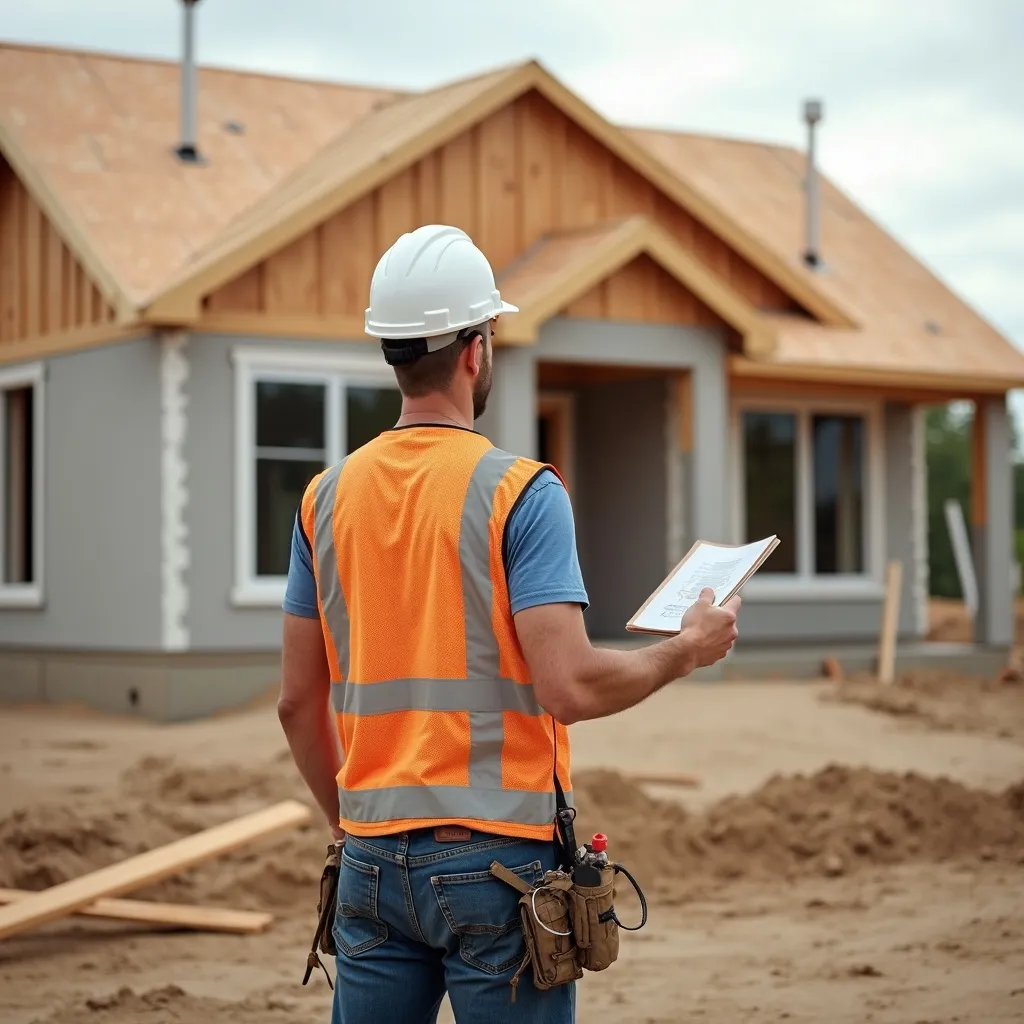
What's the Best Way to Commence Looking for a Home Builder?
In what way does one get going on the journey to uncover the right home contractor? The preliminary phase necessitates conducting detailed research to locate potential options. Prospective homeowners ought to utilize internet-based resources, including customer reviews and customer feedback, to evaluate the track record of various builders. Networking is also beneficial; seeking recommendations from friends, loved ones, or property professionals often leads trustworthy options.
Next, individuals should visit local home shows or open houses, providing direct insight of a builder's work. It is essential to develop a shortlist of contractors who match personal tastes and project needs.
Once this list is created, homeowners can prepare to reach out for consultations. During these meetings, discussing previous projects, timelines, and communication styles can show much about each builder's approach. This foundational stage is important, setting the stage for a successful construction journey ahead.
Essential Criteria for Evaluating Home Builders
Evaluating residential contractors requires a systematic framework to guarantee that the picked professional meets defined criteria and benchmarks. Essential elements include background, credibility, and workmanship standards. A builder's project showcase should present finished constructions that align with the intended design and usability.
References and reviews from previous clients demonstrate credibility and client approval. It is also essential to review the builder's dialogue skills and accessibility, as these traits can notably impact the overall experience.
Moreover, comprehending the builder's assurance coverage and adherence to local building codes is essential for long-term peace of mind. Financial stability should not be neglected; a reputable builder will have substantial financial support, enabling them to complete projects on schedule and cost. By concentrating upon these benchmarks, potential homeowners can make informed decisions when selecting the fitting contractor for their dream home.
Examining Tailoring Options in Residential Design
What factors affect the personalization choices available in residential design? Several elements play a significant part, such as the builder's experience, the building materials employed, and the regional construction regulations. Experienced contractors often offer a wider range of personalization choices, as they have developed connections with vendors and construction partners. Additionally, the type of home—whether it's a single-family residence or a multi-family unit—can determine the extent of personalization possible.
Homebuyers should also consider the timeline for construction, as complex designs may lengthen the building process. Location can influence available styles and materials, as specific designs may be more suitable or preferred in particular areas. Finally, financial limitations can limit options, as more intricate features and high-quality materials usually cost more. Recognizing these considerations can help purchasers choose wisely when considering customization choices.
Comprehending Pricing Frameworks
Comprehending pricing structures is critical for homebuyers maneuvering the difficulties of the construction process. Builders employ diverse cost structures, which can greatly impact total expenses. Fixed pricing offers surety, allowing clients to know the total cost beforehand, while cost-plus approach entails paying the true building expenses plus a set fee, presenting likelihood for variances.
Additionally, some builders offer a hybrid approach, blending elements from each approach. Homebuyers should also consider added features and enhancements, as these can significantly affect the final price. Detailed breakdowns provide clarity, enabling buyers grasp where funds are allocated.
It is critical for buyers to inspect payment schedules and additional charges, such as permits or property preparation. By comprehensively grasping these systems, home purchasers can make informed decisions, ensuring they determine a construction firm whose pricing fits within their budget and expectations.
Why Strong Interaction Is Critical When Choosing a Builder?
Essential dialogue proves necessary when choosing a home builder, as it strengthens trust between the client and the builder. By ensuring that project parameters and expectations are fully reviewed, parties can prevent costly confusion. Ultimately, open communication creates the foundation for a rewarding building experience.
Fostering Trust By Clarity
How can future homeowners guarantee their vision corresponds to their builder’s abilities? Building confidence through clarity is essential in this connection. Clear communication promotes understanding, guaranteeing that both parties are on the same page regarding project expectations, deadlines, and design aspects. Homeowners should articulate their desires while actively listening to the builder’s opinions and proposals. Consistent communications and open dialogue throughout the construction process further bolster this trust, allowing for alterations as needed. Transparency in disclosing project challenges and solutions also strengthens this bond, making it easier to manage potential hurdles together. Ultimately, clarity in communication not only harmonizes visions but also lays a strong foundation for a successful partnership, leading to the realization of the homeowner’s dream home.
Minimizing Costly Miscommunications
What occurs when requirements diverge between homeowners and builders? Confusion can create costly delays, budget overruns, and dissatisfaction. Clear interaction is vital to match visions and ensure that both parties are on the same page. Homeowners should communicate their desires, preferences, and budget constraints from the outset. Builders, in turn, must deliver transparent timelines, costs, and scope of work. Regular updates and open discussion encourage trust and allow for adjustments as necessary. Documenting agreements in writing helps to avoid future disputes. By prioritizing clarity, both homeowners and builders can minimize risks, leading to a smoother construction process and a more satisfying end result. Ultimately, successful communication is the foundation of a successful building experience.
Validating References and Reviews: Greatest Guidelines
When picking a home builder, verifying references and testimonials is essential for making informed choices. Evaluating feedback from previous clients provides understanding into the contractor's reliability and work quality. Grasping both personal references and online evaluations can greatly influence the builder's standing.
Importance Of Citations
Though numerous factors affect the choice of a home builder, the importance of examining references and reviews should not be underestimated. References offer direct accounts of a builder's dependability, quality of work, and professionalism. Conversing directly with past clients enables potential homeowners to gain insights about the builder's methods of communication and ability to meet deadlines. Moreover, reviews can expose patterns in the builder’s performance, whether favorable or negative. This information is important for making an educated decision, as it can reveal possible warning signs or bolster confidence in a builder's skills. In the end, detailed reference checks ensure that homeowners choose a builder who fits with their expectations, significantly affecting their satisfaction with the construction process.
Evaluating Digital Feedback
How can potential homeowners effectively navigate the vast landscape of online feedback when evaluating a home builder? First, they should look for feedback on trusted websites, such as Google, Yelp, and specialized construction forums. It is essential to distinguish genuine reviews and questionable feedback, looking for patterns in feedback rather than isolated comments. Homeowners should consider both positive and negative remarks, focusing on recurring strengths or weaknesses highlighted by multiple reviewers. Additionally, they can examine the builder's response to criticisms, which may demonstrate their commitment toward customer service. Finally, contacting past clients directly can provide deeper insights, ensuring that the builder aligns with the homeowner's expectations and needs.
Frequently Requested Questions
Which Credentials and Certifications Ought to a Home Builder Have?
A home builder should possess a legitimate construction license, liability insurance, and relevant credentials such as OSHA training or sustainable construction certifications. These credentials ensure compliance with safety standards and industry regulations, enhancing trust and professional credibility.
How Much Time Does Constructing a Home Generally Require?
Building a residence generally takes six months to over a year, subject to factors including structural complexity, weather conditions, and permitting delays. Each stage requires precise planning to secure timely completion and outstanding results.
Is it Feasible to See Prior Projects Finished by the Builder?
Yes, potential customers can often visit previous works completed by the constructor. This allows them to assess workmanship and design quality, helping take the first step to inform their choice-making process and guarantee satisfaction with their forthcoming dwelling.
What Coverage Do Builders Generally Give on New Homes?
Builders generally extend protections covering structural durability for ten years, essential systems like plumbing and electrical for five years, and workmanship for one year. These warranties supply homeowners with protection against issues and necessary maintenance.
How Do I Make Sure My Builder Maintains to the Schedule?
To ensure a builder stays on schedule, one should establish clear timelines, keep consistent dialogue, and conduct periodic progress reviews. Recording advancement and addressing delays promptly can also help keep the project on track.